
PROJECTS
Current Projects


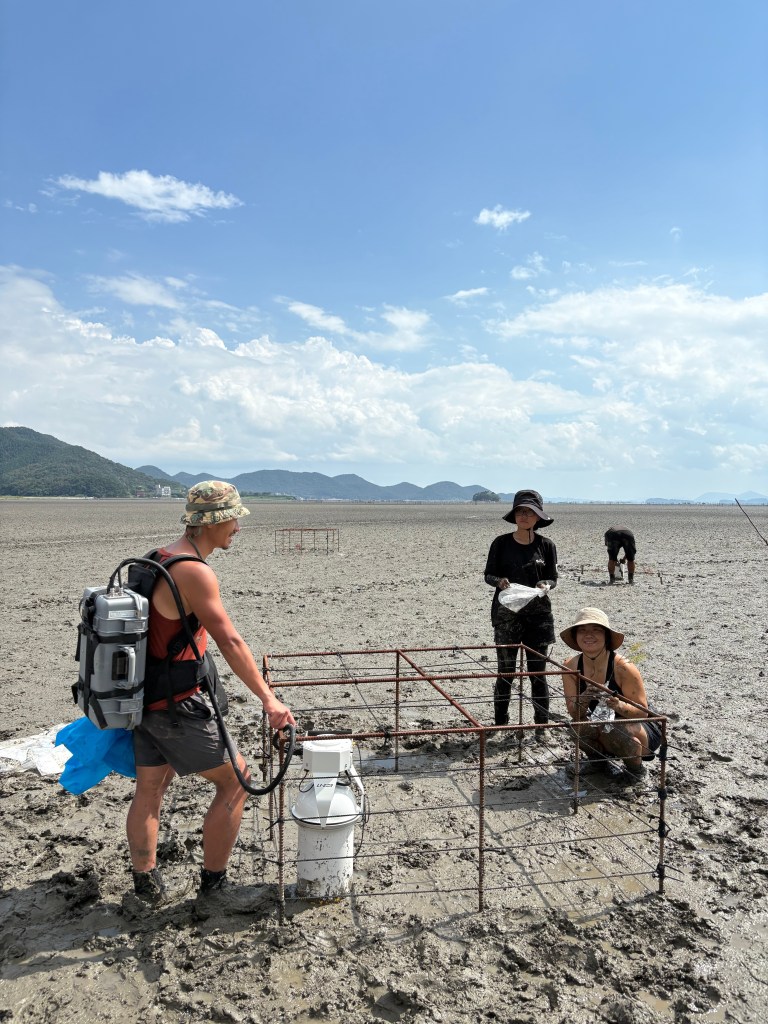
Shorebird-driven trophic cascades
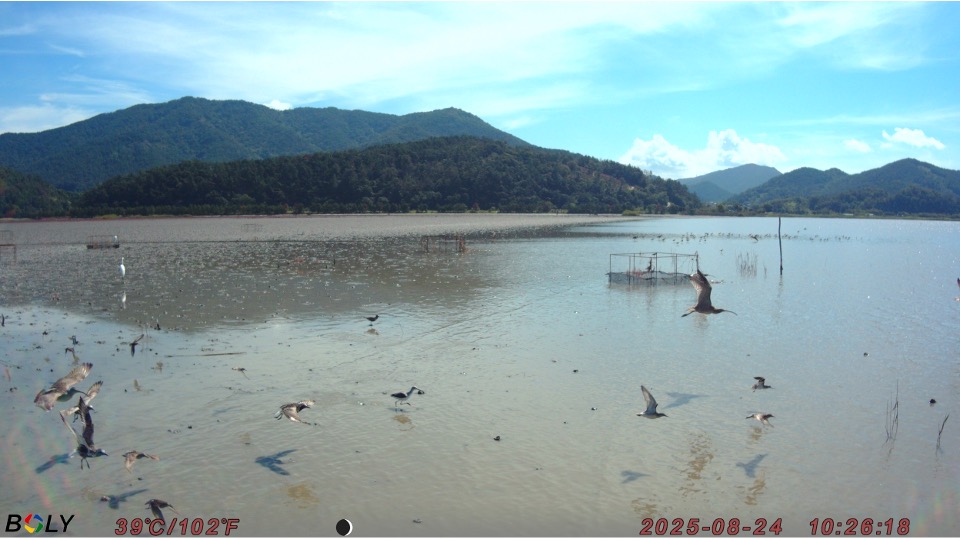
Predators can play a critical role in regulating lower-trophic-level consumers that graze on or disturb coastal vegetation, potentially triggering cascading effects that enhance primary production, carbon cycling, and long-term carbon sequestration. Despite strong theoretical support, direct empirical evidence for these predator-driven cascades in coastal vegetated ecosystems remains limited.
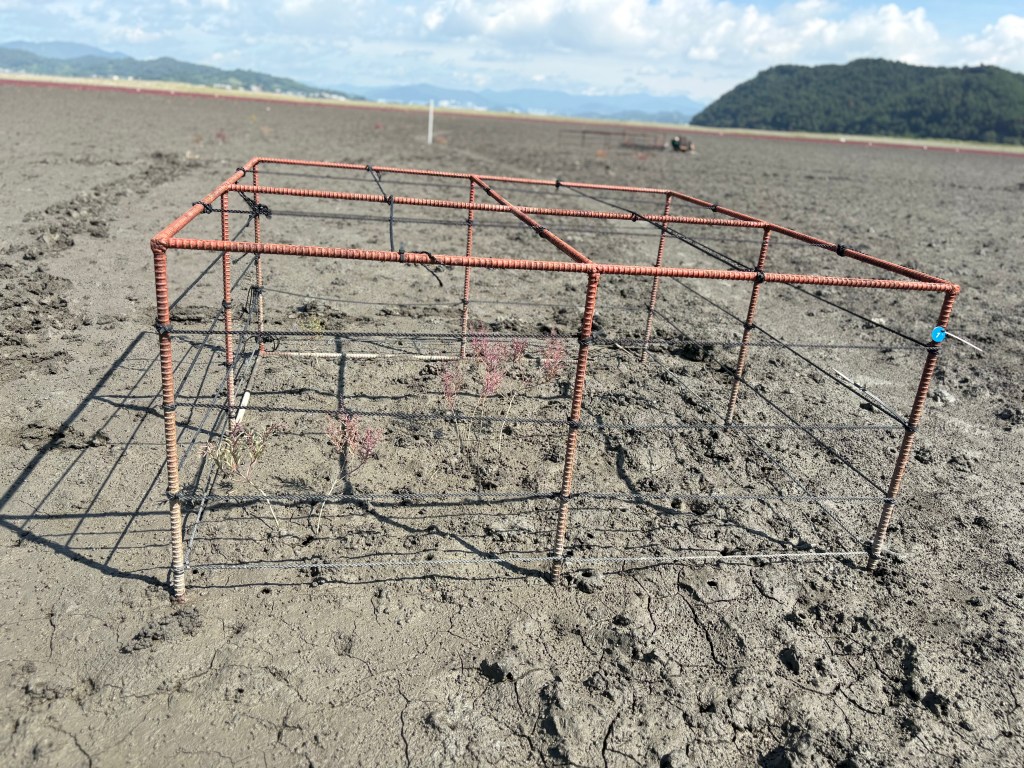
Addressing this research gap is important because higher-order marine predator, including birds, large fishes, mammals, and reptiles, are among the most vulnerable organism groups worldwide due to human exploitation, habitat loss, and rapid environmental change. We combine long-term field surveys with manipulative predator-exclusion experiments to test how predators, particularly shorebirds and waterbirds using the East Asian–Australasian Flyway, regulate herbivory and bioturbation in seagrass meadows and salt marshes along the Korean coast.
Beyond examining bird-control of prey, we explicitly examine how bird predation cascades to influence plant production, ecosystem resilience, and multiple ecosystem functions related to carbon sequestration, including carbon burial and greenhouse gas emissions. Together, this work aims to provide mechanistic, field-based evidence linking predator conservation to the functioning and climate-mitigation potential of coastal blue-carbon ecosystems.
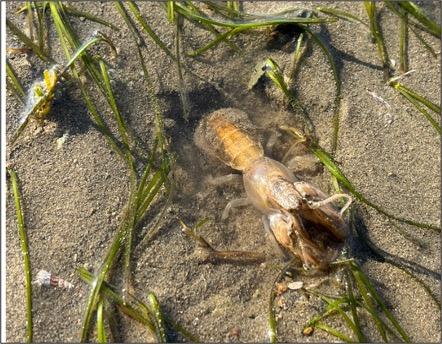
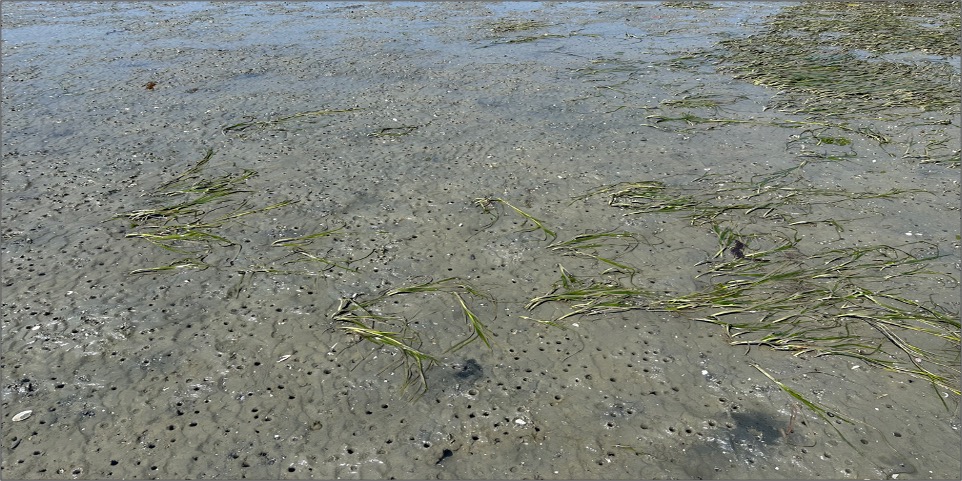
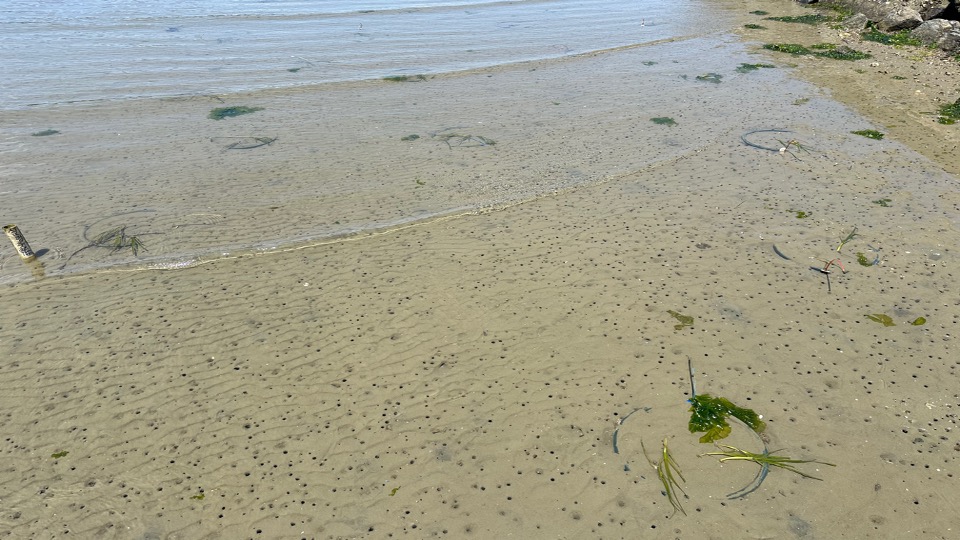
Bioturbation impacts on coastal blue carbon
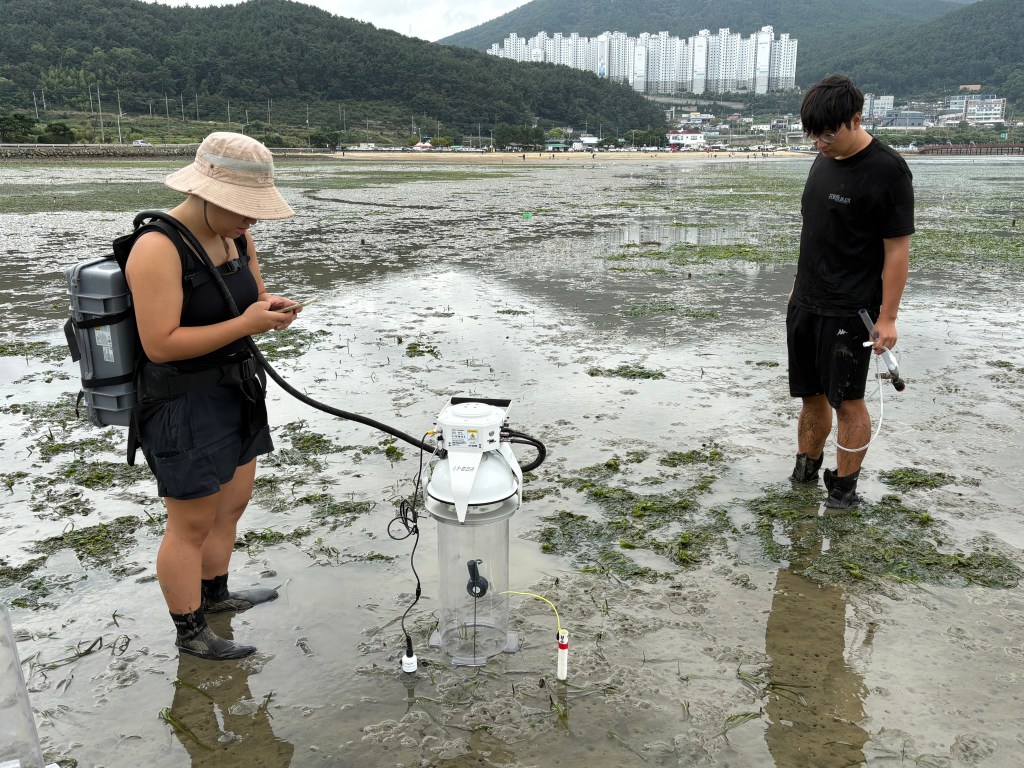
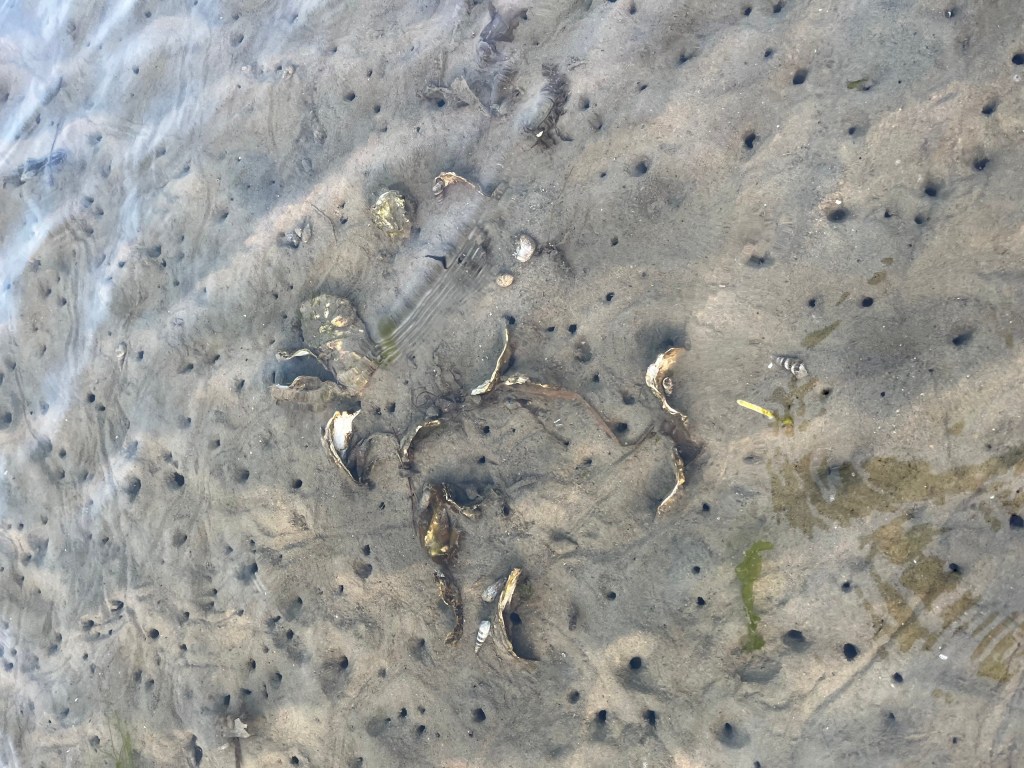
Bioturbation, the physical disturbance and reworking of sediment by animals, is a pervasive force in shallow coastal habitats and can alter sediment properties, nutrient dynamics, and plant survival. In seagrass ecosystems, intensive sediment reworking by mud shrimp has the potential to disrupt vegetation structure and may compromise restoration outcomes when shrimp burrowing activity is elevated; yet the mechanisms and ecosystem-scale consequences of these interactions remain poorly understood.
To address this knowledge gap, we combine long-term field surveys with manipulative experiments to evaluate how shrimp bioturbation affects seagrass patch dynamics, vegetation resilience, and the multiple ecosystem functions that contribute to seagrass carbon storage. Our work spans gradients of shrimp activity and seagrass states along the Korean coast, focusing on how animal sediment reworking interacts with plant production, sediment stability, carbon burial, and greenhouse gas production pathways. By integrating experimental and observational data, we aim to improve mechanistic understanding of faunal–vegetation interactions and their implications for conservation and restoration of coastal vegetated ecosystems.

Effects of macroalgal blooms on seagrass carbon cycle
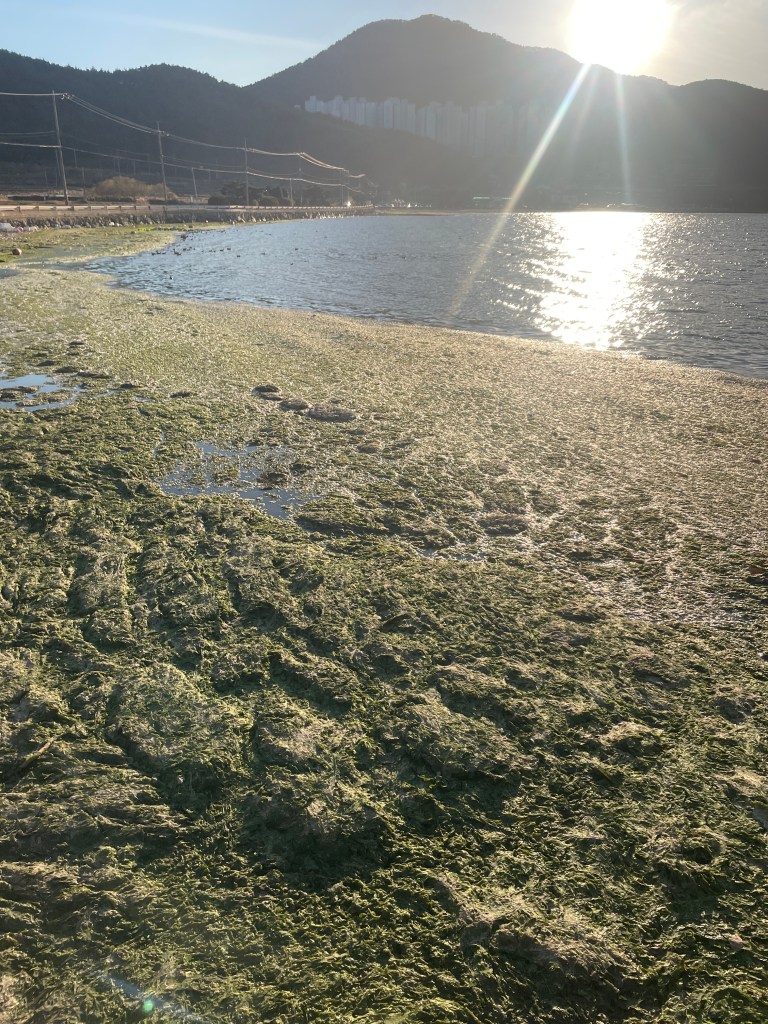
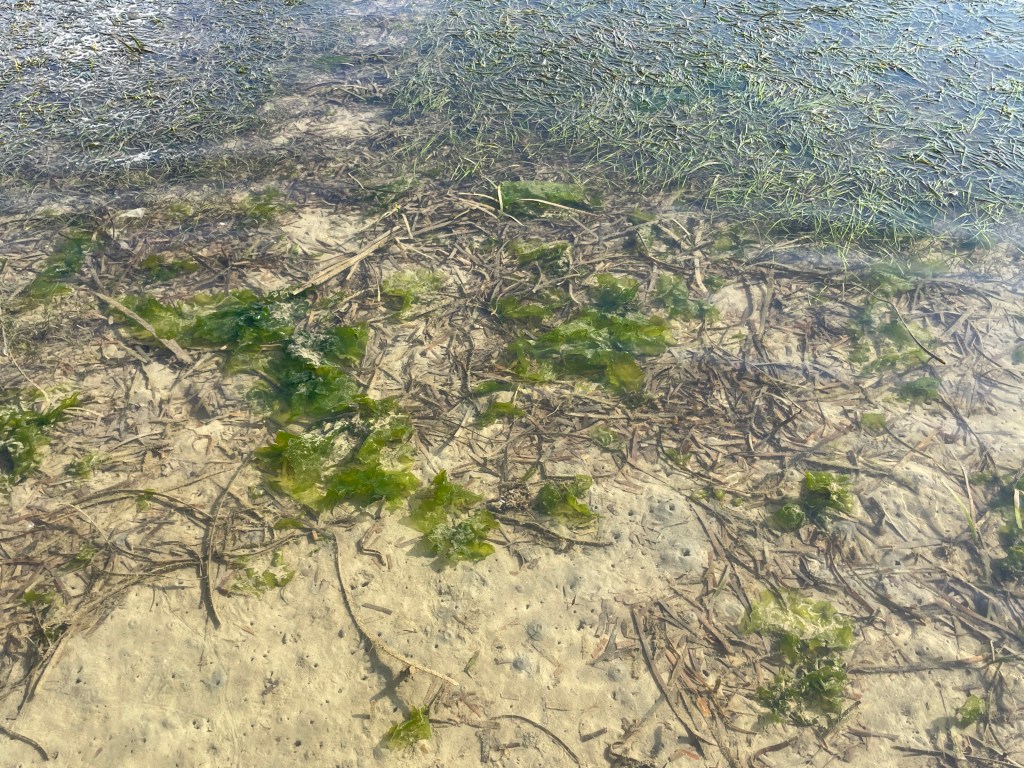
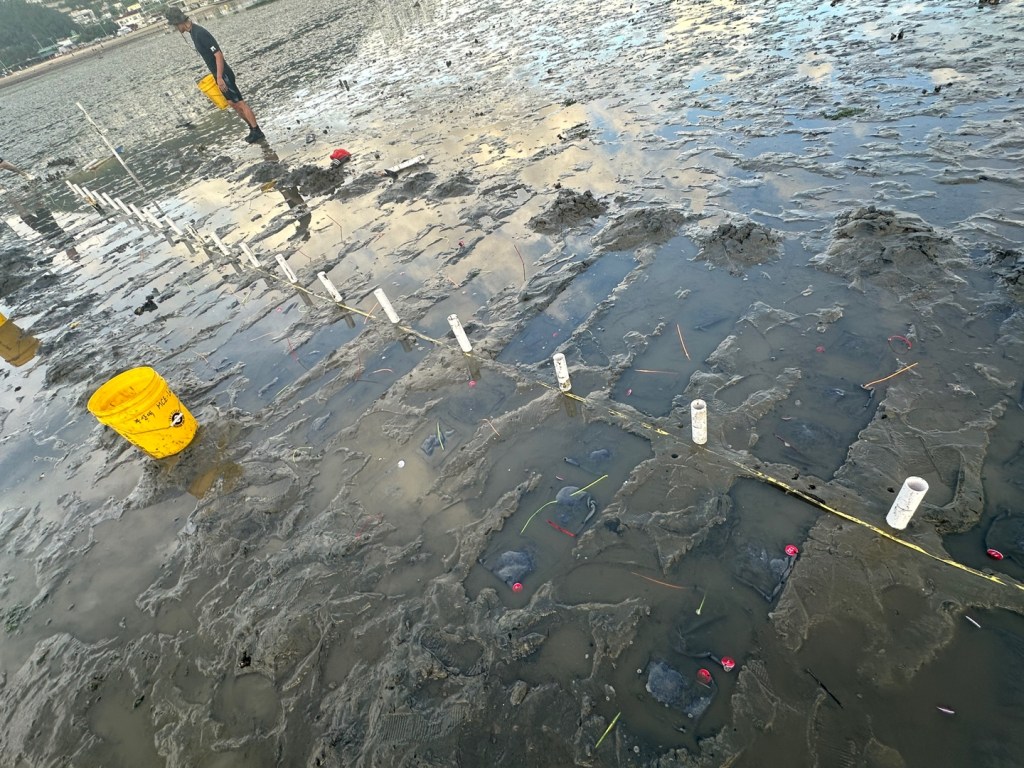
Macroalgal blooms, particularly those dominated by Ulva spp., are increasingly common in coastal ecosystems worldwide as a result of nutrient enrichment and climate change. These blooms can strongly alter light availability, oxygen dynamics, and sediment biogeochemistry, with the potential to undermine the resilience of seagrass ecosystems that underpin coastal productivity and blue-carbon storage. While the impacts of macroalgal blooms on seagrass cover and survival are widely recognized, their broader implications for carbon cycling and ecosystem functioning remain less well resolved.
By combining field surveys and experiments across gradients of macroalgal accumulation, our research examines how Ulva blooms influence seagrass resilience and key carbon-cycle processes involving seagrass necromass, including plant decomposition and greenhouse gas production. This work seeks to clarify when and how macroalgal blooms shift coastal vegetated systems from carbon sinks toward enhanced carbon turnover and emissions, with implications for ecosystem management and restoration under increasing eutrophication and warming.


Seagrass-oyster interaction under restoration contexts
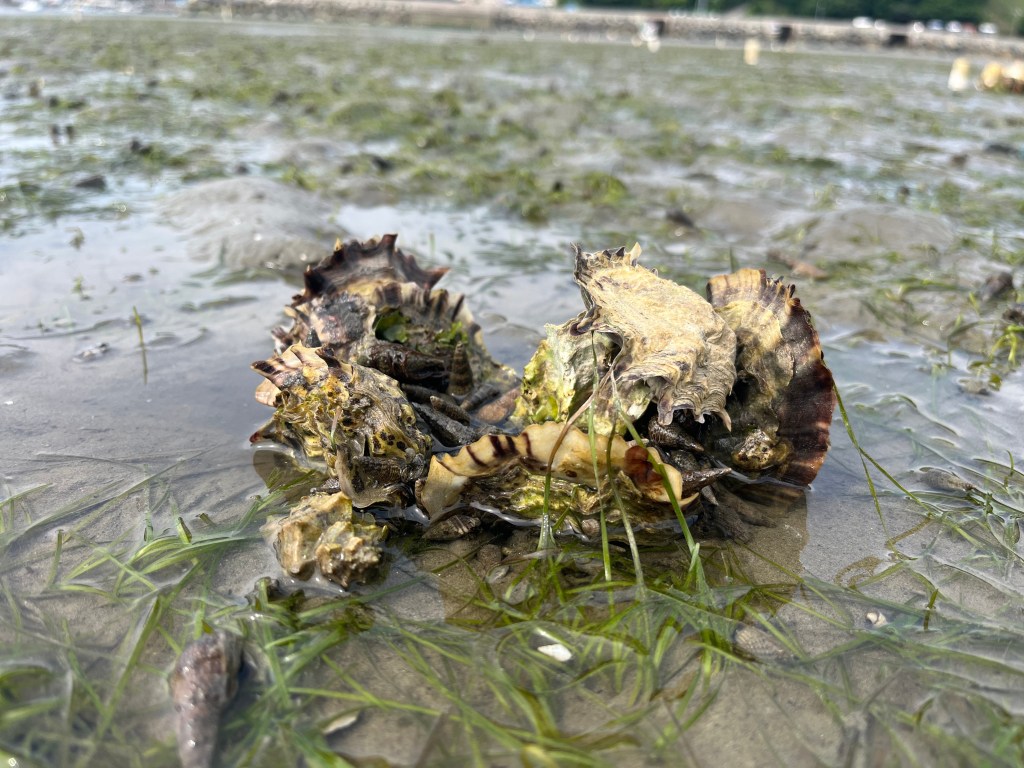
Seagrass meadows and oyster reefs are foundational coastal habitats that often co-occur and jointly support high levels of biodiversity and ecosystem functioning. Interactions between these habitat-forming species are commonly viewed as neutral or competitive, with evidence suggesting that seagrasses and oysters may negatively affect one another under certain conditions. However, ecological theory predicts that species interactions can shift along gradients of biotic and abiotic stress, potentially becoming facilitative when environmental conditions deteriorate.
Our research explores when and how seagrass–oyster interactions transition from neutral or negative to facilitative, with a particular focus on restoration contexts. Using a series of manipulative field experiments, we test the hypothesis that seagrasses can enhance oyster performance, recruitment, and reef function under elevated stress by modifying local physical and biogeochemical conditions. By evaluating how these interactions influence biodiversity and secondary production in oyster reefs, this work aims to identify conditions under which coupling seagrass and oyster restoration can improve ecosystem resilience and restoration success.


Plastic pollution effects on coastal blue carbon
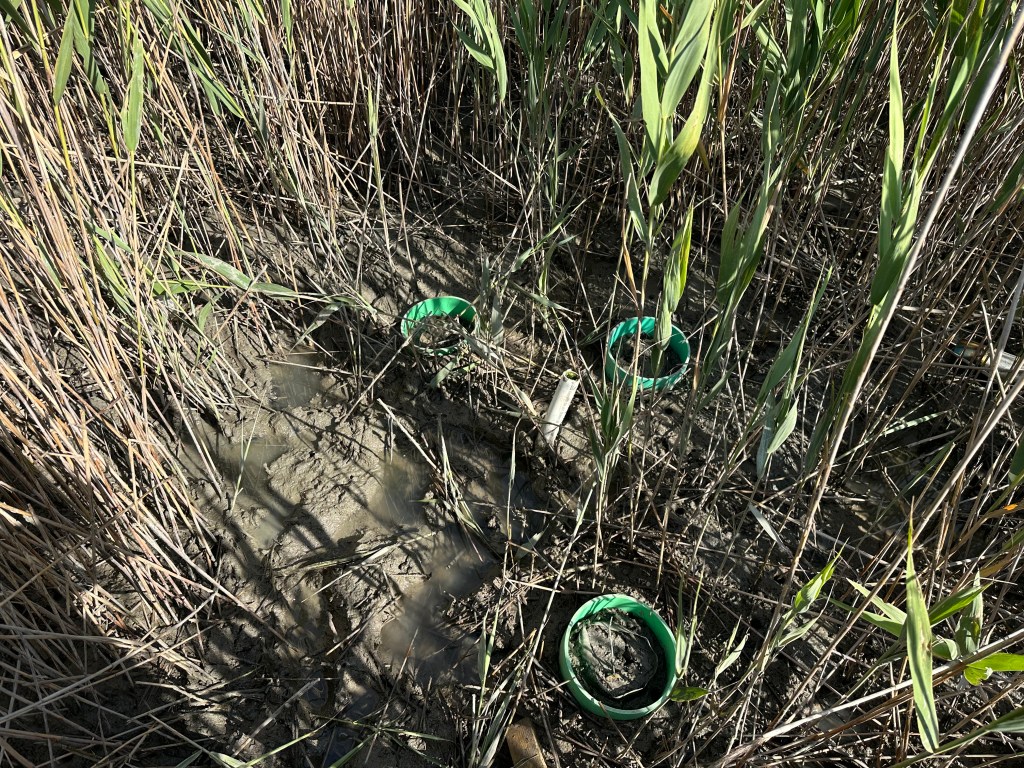
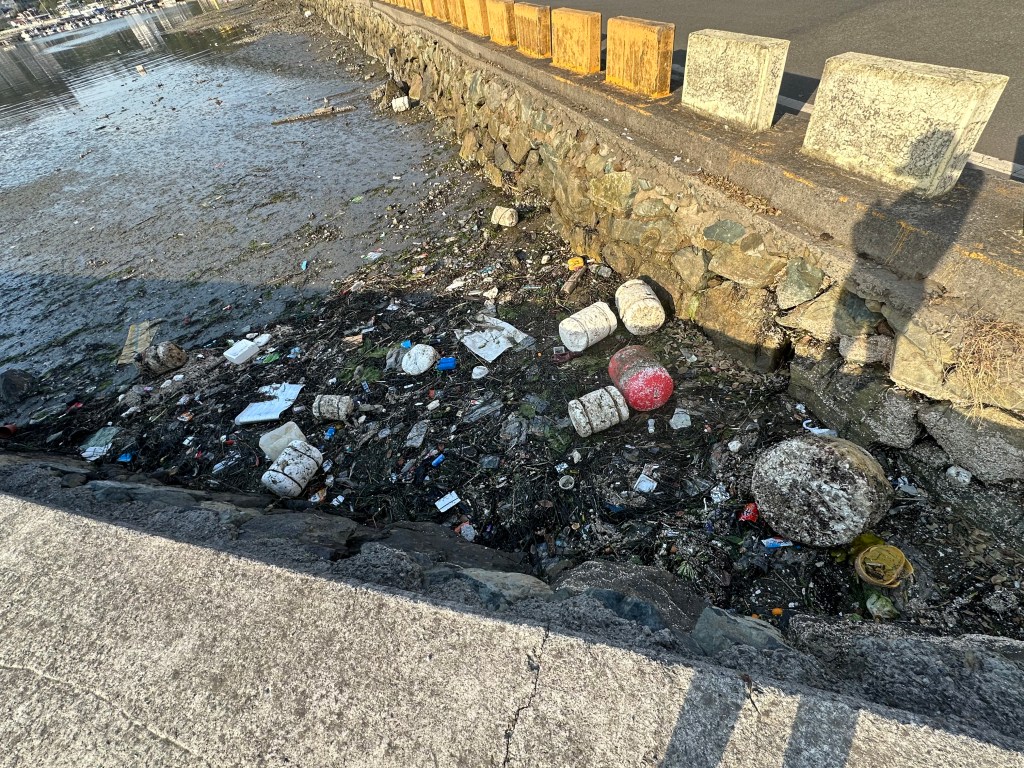
Plastic pollution has become a pervasive and persistent stressor in coastal ecosystems, where buoyant and sediment-associated plastics increasingly accumulate within vegetated habitats such as salt marshes and seagrass meadows. The structural complexity of these plant systems suggests they may act as effective traps for plastics, yet how plant traits and habitat characteristics govern plastic retention, and the consequences of this accumulation for ecosystem functioning, remain poorly understood. In particular, the implications of plastic contamination for coastal blue carbon are only beginning to be explored.
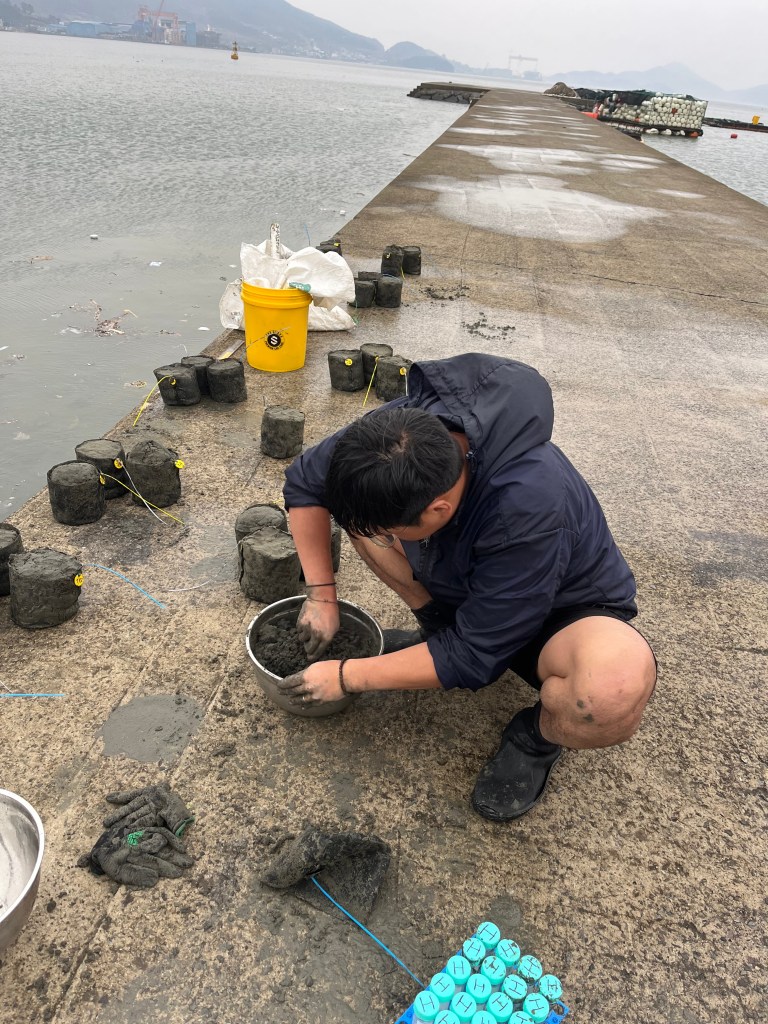
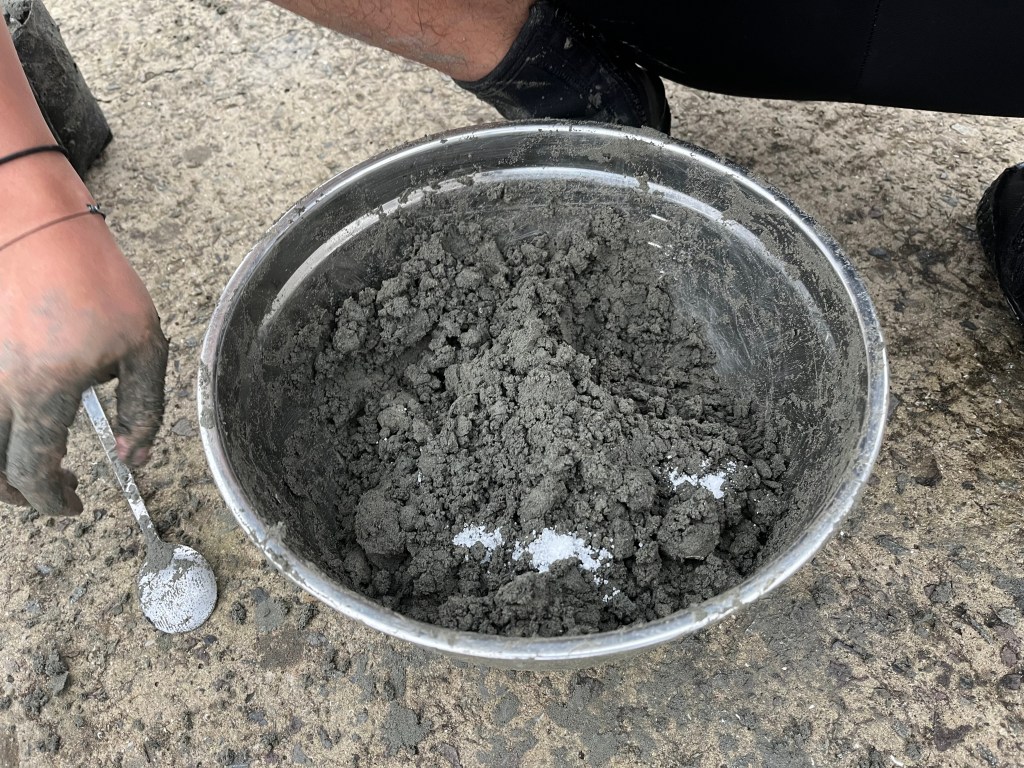
Our research examines how coastal plant habitats differ in their capacity to accumulate and retain plastics, and how plastic pollution influences plant performance and carbon cycle, including organic matter decomposition, sediment carbon dynamics, and greenhouse gas production. Using controlled plastic enrichment experiments in marsh and seagrass systems, we aim to disentangle the physical and biological pathways through which plastics alter plant–sediment interactions and carbon sequestration capacity. This work seeks to clarify the role of coastal vegetation in mediating plastic pollution while evaluating how emerging contaminants may reshape the carbon balance of blue carbon ecosystems.
Impact of invasive predators on native oyster ecosystems
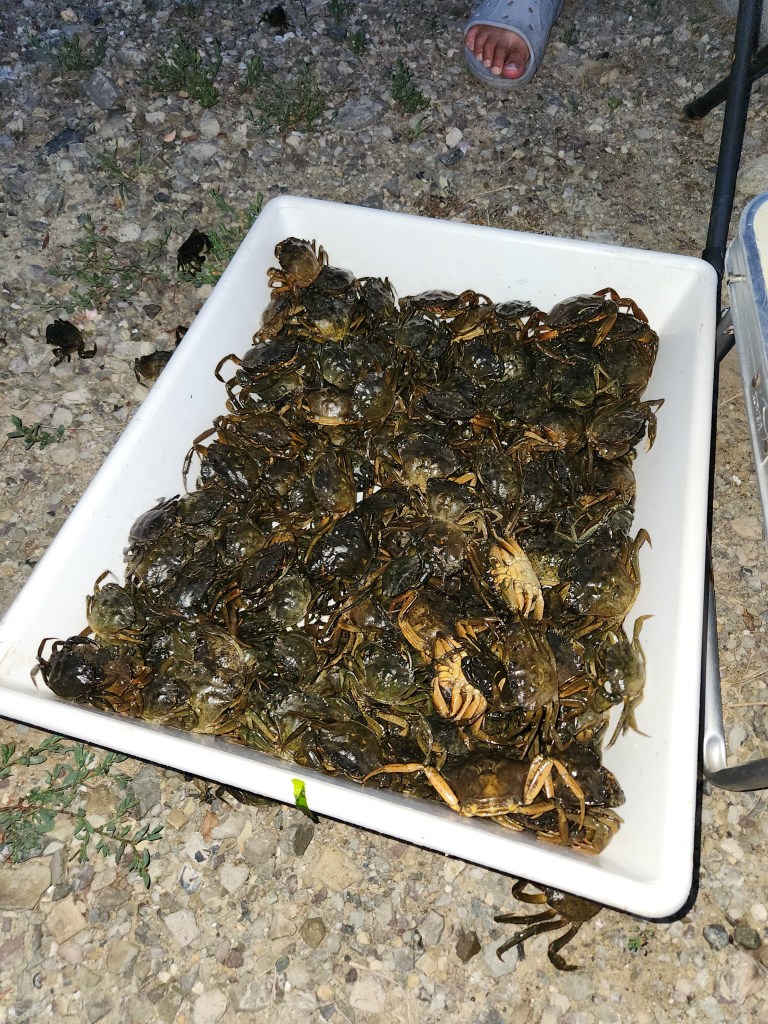
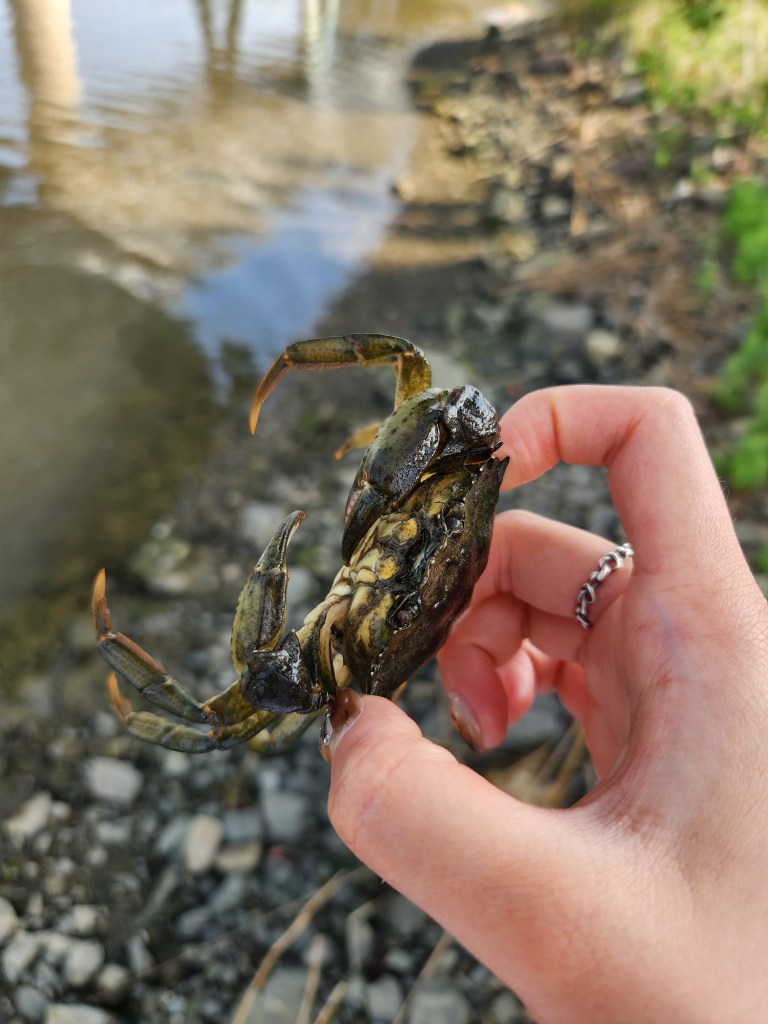
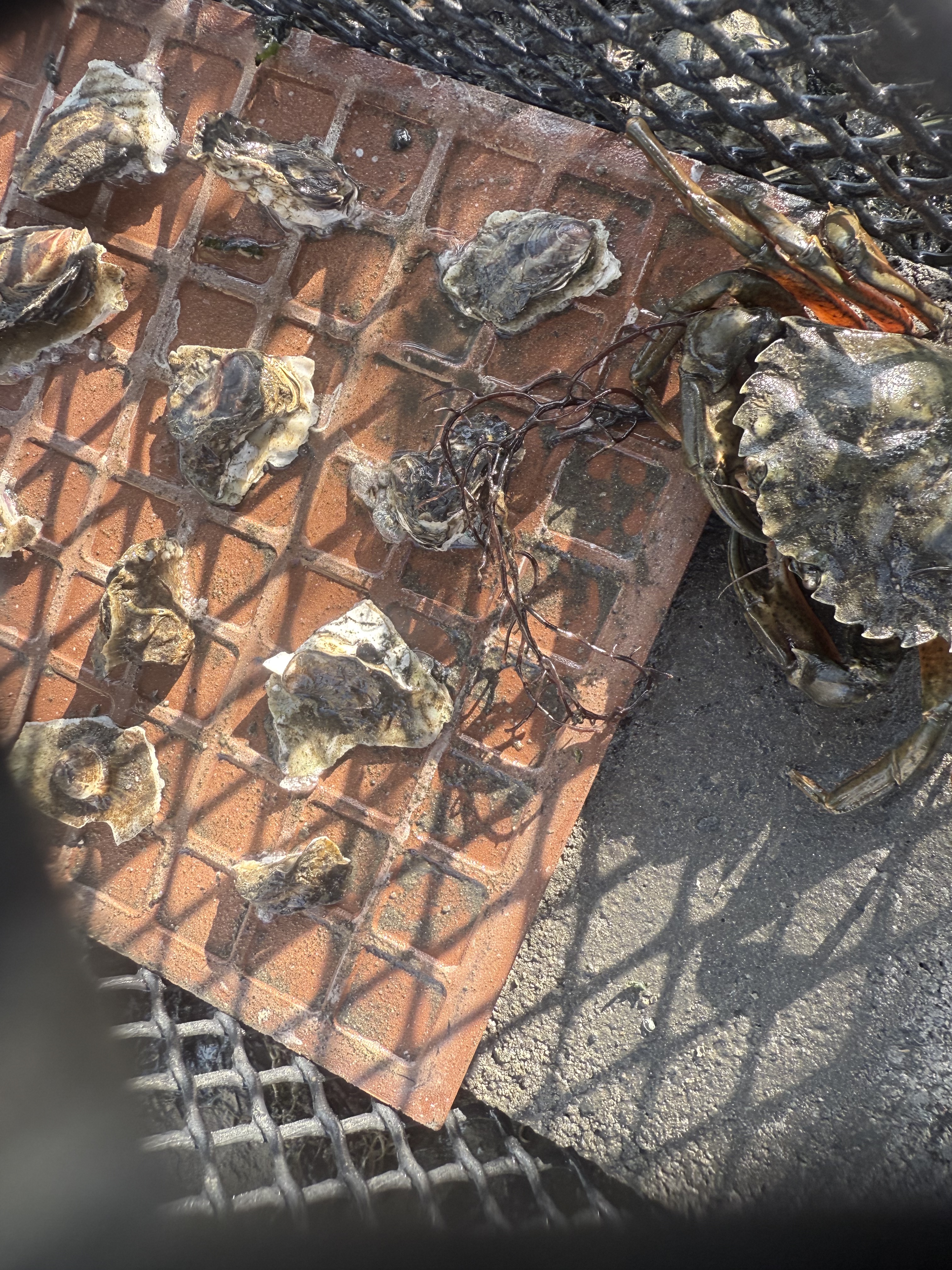
Coastal vegetated ecosystems, including seagrass meadows, salt marshes, and mangroves, Invasive predators can exert strong top-down control in marine ecosystems, yet their ecological impacts remain poorly quantified outside a small number of well-studied regions. The Mediterranean green crab (Carcinus aestuarii) is among the most widespread marine invaders globally, but its effects on native foundation species and recovering habitats are still not well understood in many parts of the western Pacific.
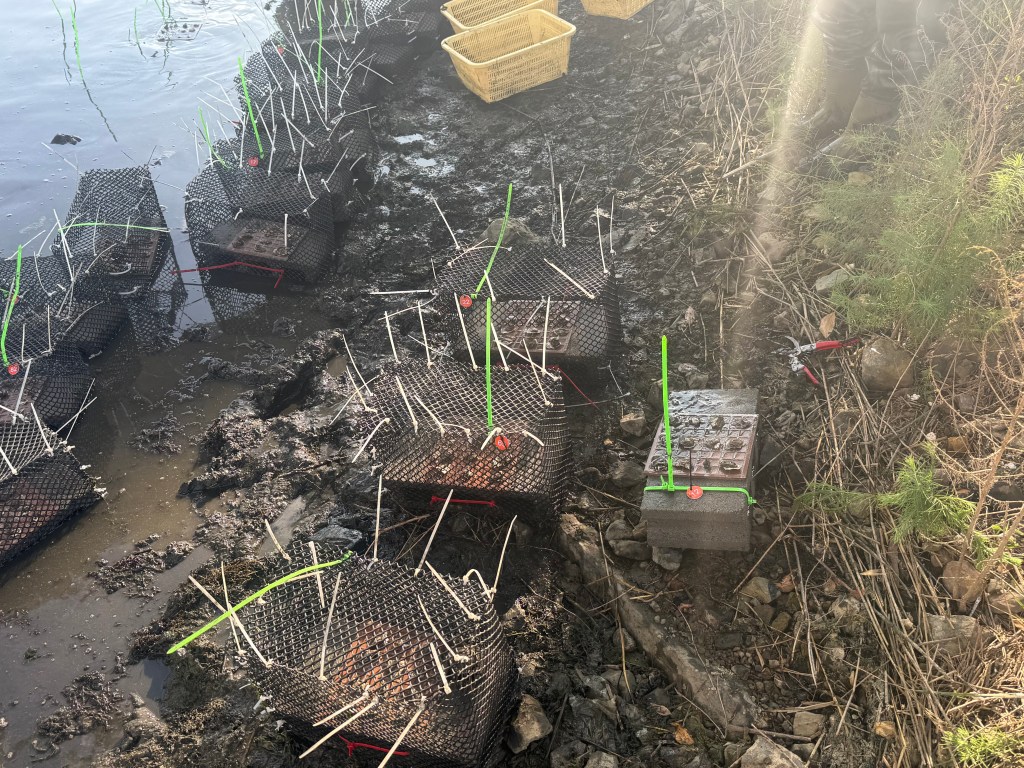
Our research examines how invasive green crabs interact with native Pacific oyster reefs along the Korean coast, where multiple estuaries have recently been invaded and, in some cases, now support extremely high crab densities that co-occur with recovering oyster populations. We combine field surveys and manipulative experiments to evaluate green crab habitat associations, dietary preferences, and foraging behavior, and to quantify their top-down impacts on oyster survival and reef function in both natural and restored habitats. This work aims to improve understanding of invasive predator effects in understudied regions and to inform oyster reef restoration and management under increasing biological invasions.
Drivers of nursery and fish production functions in coastal biogenic habitats
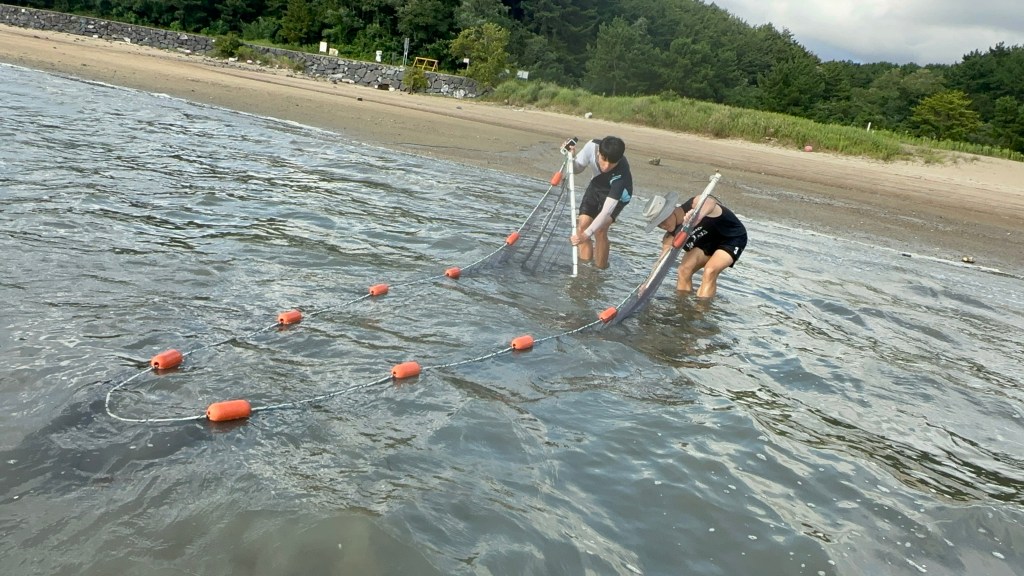
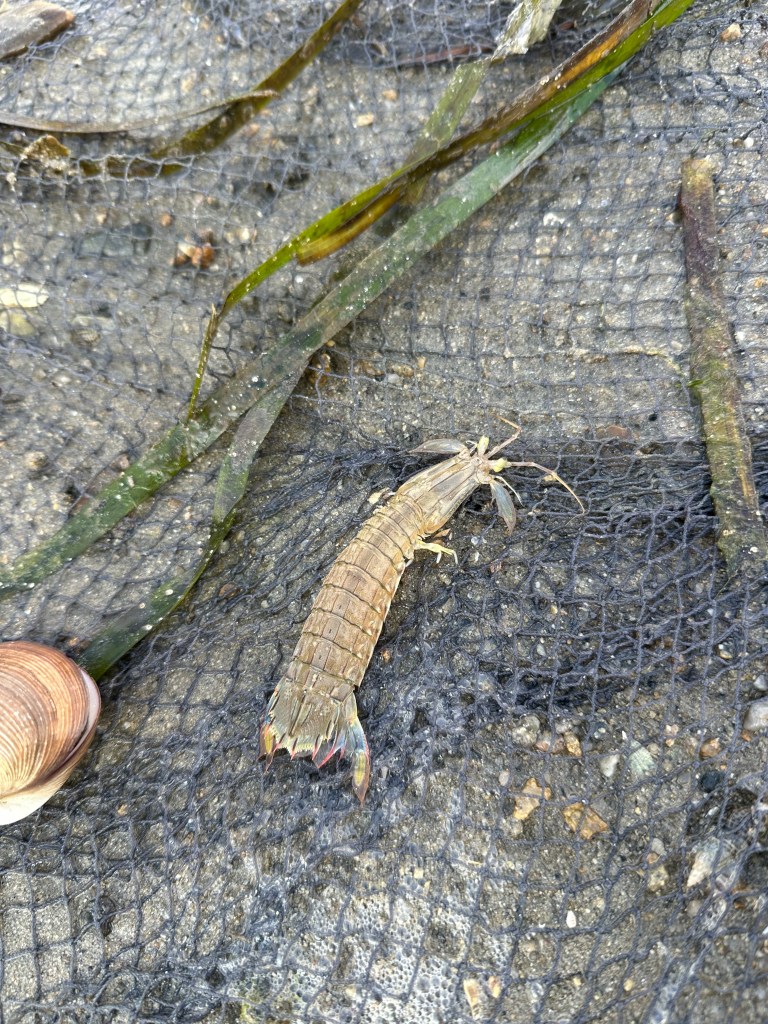
Coastal biogenic habitats such as seagrass meadows, salt marshes, and oyster reefs are widely recognized for their nursery function, supporting juvenile fishes and invertebrates and contributing to coastal fisheries production. However, the drivers of nursery effectiveness, and how habitat quality, environmental context, and restoration influence fish production, remain incompletely understood, with empirical evidence heavily biased toward a small number of regions.
Our research combines large-scale synthesis efforts with collaborators in the United States and Europe to identify how environmental conditions and habitat quality, including restoration, modulate fish production across seagrass, salt marsh, and oyster reef systems. In parallel, we pursue targeted field studies in Korea, where comparable nursery function data are largely lacking. Through field surveys and experiments, we test how seagrass habitats enhance fish and invertebrate abundance and how variation in habitat quality and environmental conditions alters this effectiveness. Together, this work aims to broaden the geographic scope of nursery function research and to inform habitat conservation and restoration strategies that more reliably enhance coastal fish production.
 MARINE CONSERVATION ECOLOGY